Getting It Right: The Hidden Challenge of Building Truly Immersive Experiences

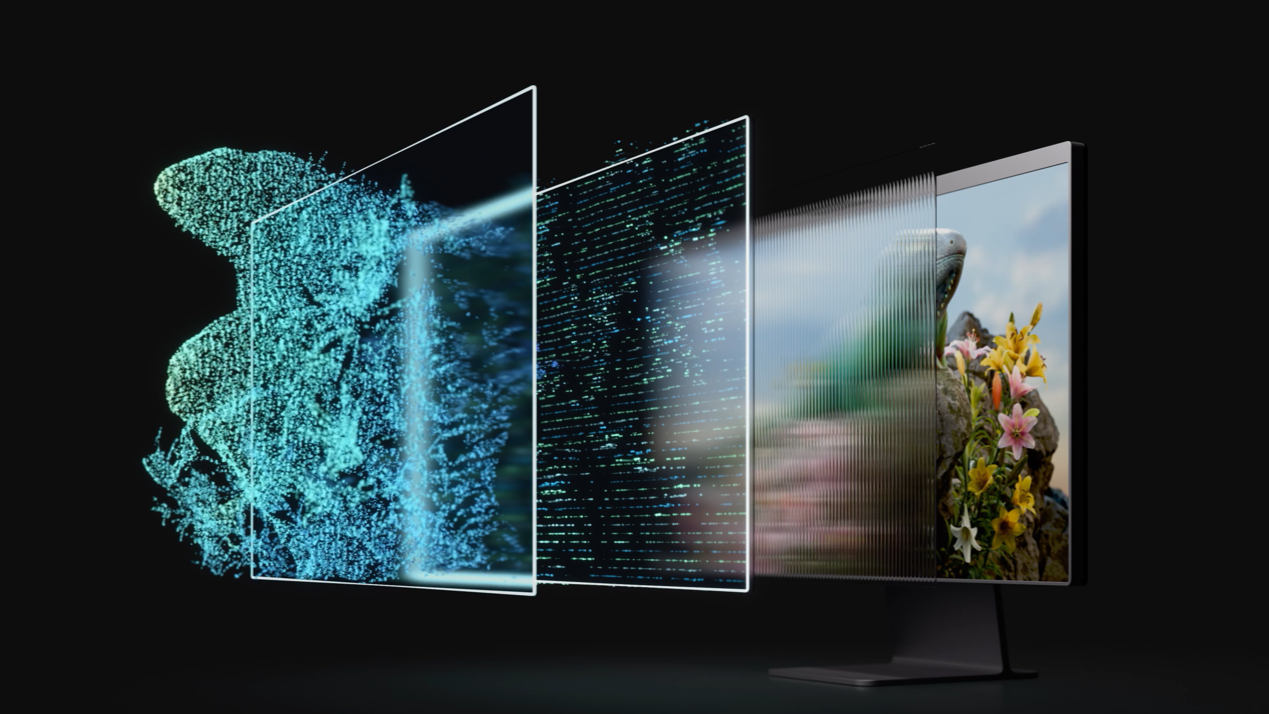
Beyond the Hype
Artificial Intelligence dominates today’s technology conversation. Demos and announcements promise groundbreaking transformation, but the real test isn’t whether AI will shape the future — it’s how it can be built into devices and platforms in ways that feel natural, believable, and scalable. For those responsible for bringing new technologies to market, that’s the challenge that matters most. And it’s also the hardest one to solve.
Why “Authenticity” Is Complex
Humans are remarkably sensitive to what feels authentic. A slight lag, an unnatural motion, or a mismatch in depth can be enough to break the illusion and remind us we are looking at a system rather than living an experience. That sensitivity is what makes authenticity so hard to achieve. Even the most advanced components fall short when they operate in isolation. A display can deliver clarity but not believability. Algorithms can analyze and interpret, but without the right context, their output feels incomplete. Software can refine and optimize, yet it cannot overcome the limitations of the hardware beneath it or the intelligence driving it.
A useful parallel is the early days of video streaming. High-resolution screens, faster networks, and better compression algorithms all existed, but separately, none of them made streaming feel reliable. When bandwidth, codes, and devices advanced together, experiences shift from clunky and inconsistent to seamless and trusted. The same principle applies here: no single breakthrough creates authenticity on its own.
At Immersity, we know this journey is ongoing. There are still moments of imperfection, but each day we refine, test, and push forward – getting us one step closer to immersive experiences that feel truly natural. “Getting it right” is about building a trustworthy foundation and inviting creators, partners and innovators to shape what comes next with us. See how this foundation is already taking shape and how to join us on our journey here.
Why This Matters for Developers
For the companies designing the next generation of devices, getting this balance right has consequences far beyond user experience. It shapes adoption, drives loyalty, and determines whether a product stands out in competitive markets.
When technology feels effortless, it doesn’t need long explanations. The value is understood immediately, even if the user can’t articulate why. For developers, that recognition translates into solutions that scale more easily, adapt across use cases, and reduce the cost and risk of integration. This isn’t about adding features — it’s about creating a foundation that endures and grows with the market.
What We’ve Learned
At Immersity, we’ve spent more than a decade tackling this problem from every angle.
Our work spans:
- AI models that transform everyday content into depth, motion, and presence in real time.
- Software that adapts dynamically while remaining efficient at scale.
- Hardware designed not just for precision, but for practical adoption in real-world products.
Each layer presented its own obstacles. AI had to perform instantly without sacrificing quality. Software needed to flex across platforms without introducing latency. Hardware had to push the limits of capability while staying efficient and accessible.
The real progress came when we stopped treating these as separate challenges. By designing them to work as a system from the ground up, we found that the seams could disappear. Our expertise today doesn’t count on advancing one element alone, but in ensuring that every piece reinforces the other, to deliver an experience that feels whole.
Stepping Into the Future
The next wave of digital experiences won’t be remembered for splashy demos or quick headlines. It will be defined by products that earn trust because technology stays out of the way. When AI, software, and hardware work in harmony, the systems recede into the background and what people notice is the experience itself.
That’s the future Immersity is building toward — one where technology feels vivid, natural, and emotionally present across an entire ecosystem of devices. Because when the gaps finally disappear, people don’t just see the difference. They step into it.
Keep Reading
View All

뉴스레터 가입하기
최신 뉴스와 업데이트를 확인하세요.